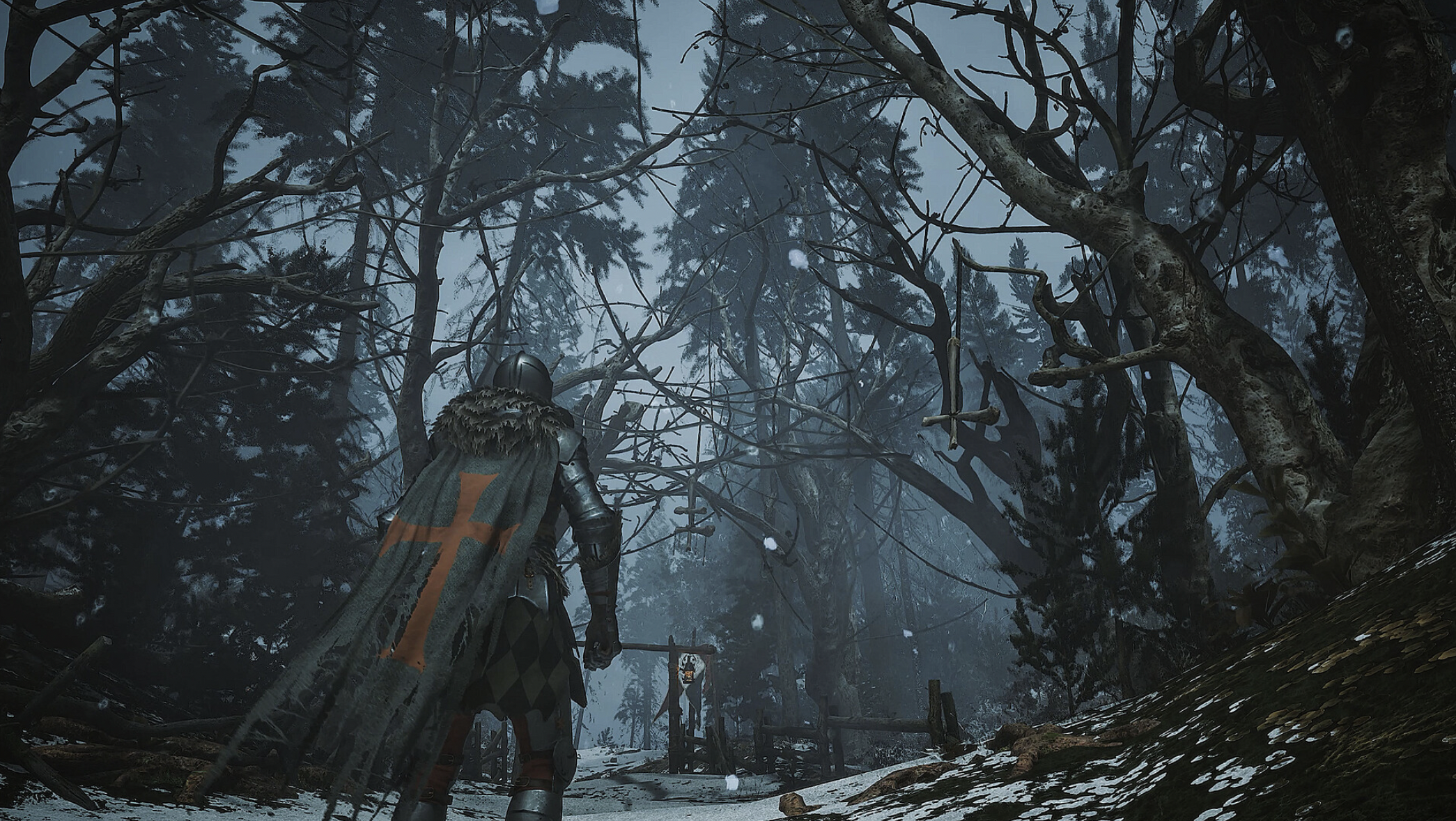
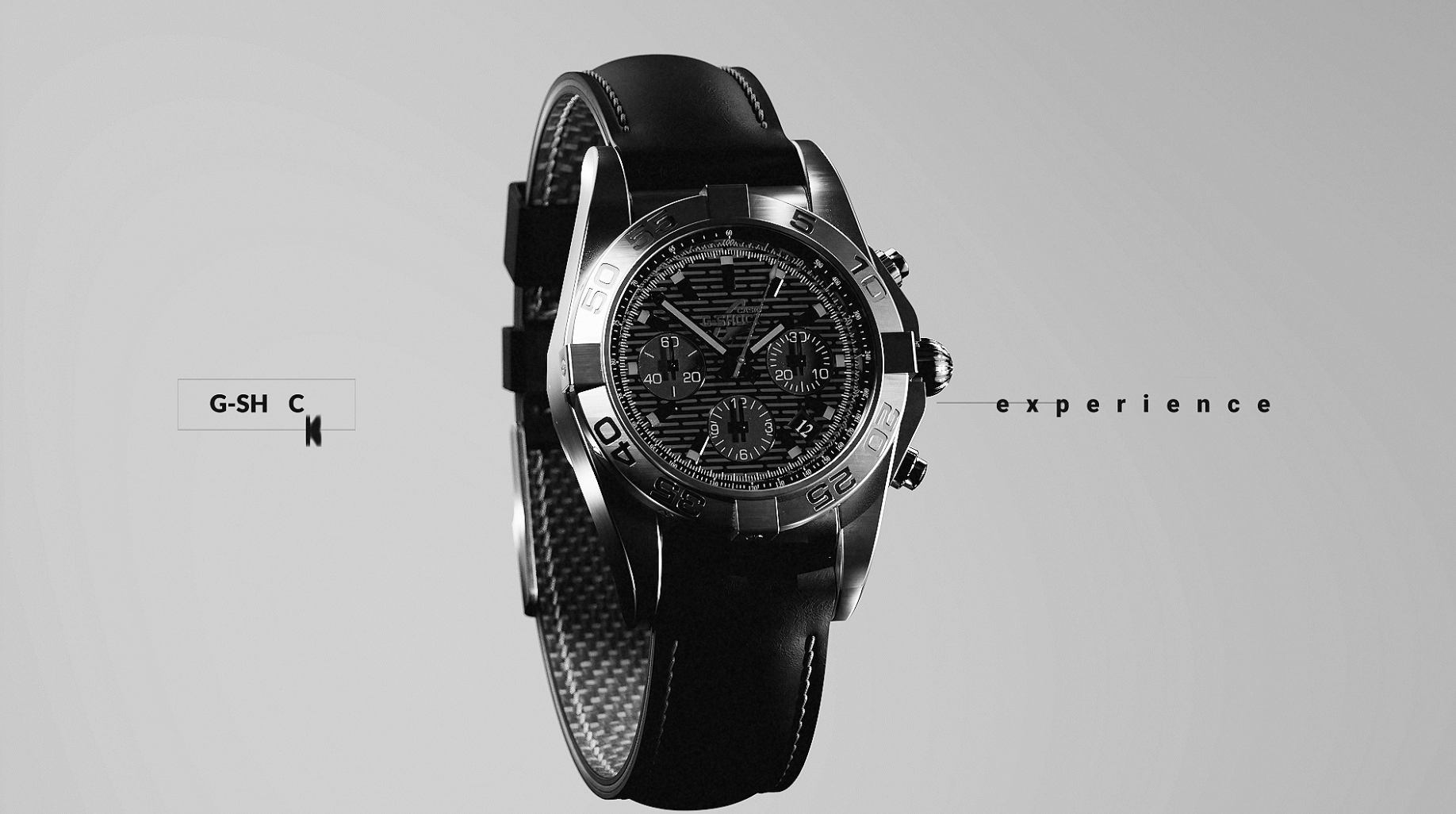
In recent decades, 3D has established itself in almost all creative and technological sectors: cinema, video games, virtual reality, 3D printing, architecture, medicine, engineering... Today, this constantly evolving field is transforming the way we create, imagine, and even interact with the world. In this article, we will explore the fascinating universe of 3D: its foundations, its multiple applications, its technological advances, and the trends to watch for the years to come.
3D modeling: The digital sculpture
3D modeling is the art of creating digital objects in three dimensions. It constitutes the basis of any 3D project, whether it is a character, a setting, a technical object or a building.
Polygonal modeling: the most widespread, used in video games and movies. Digital sculpting: for organic, highly detailed shapes.
Procedural modeling: via algorithms (used in massive environments).
Photogrammetry: 3D reconstruction from real photos.
3D Scan: capture real objects to digitize them.
Popular software: Blender (open source and powerful), Autodesk Maya, 3ds Max ZBrush (sculpture) Cinema 4DHoudini (procedural modeling)
3D animation: Bring the virtual to life
Once the objects are modeled, 3D animation allows them to be put in motion.
This includes character animation The physical simulation (movements, fluids, hair, etc.) Procedural or AI-generated animation Motion capture.
Animation methods
Keyframe animation Stop-motion animation.
Rigging & Skinning Digital skeletons and articulation.
Mocap (motion capture) Movements captured on a real actor.
Branches and Applications of 3D
Once the objects are modeled, 3D animation allows them to be put in motion.
Branch Description
Video games Optimized models, real-time animations, interactive special effects.
Cinema & VFX Photorealistic environments, fantastical creatures, digital explosions
Architecture 3D Visualizations (realistic renderings, interactive models, BIM)
Medicine Organ reconstitutions, 3D prints of prostheses
Engineering & Industry 3D Prototypes, mechanical simulations, predictive maintenance
The 3D Universe: From Creativity to Scientific Innovation
3D is an unlimited playground for creative and curious minds. It is a universe where one can imagine, build, animate, and reinvent the world to infinity. But beyond its artistic dimension, 3D is also a booming field of scientific investigation. Integrating scientific research into a 3D blog enriches our understanding of technologies, anticipates trends and gives more depth to our visual and technical exploration.
Recent Scientific Research and Reviews (2024-2025)
3D is an unlimited playground for creative and curious minds. It is a universe where one can imagine, build, animate, and reinvent the world to infinity. But beyond its artistic dimension, 3D is also a booming field of scientific investigation. Integrating scientific research into a 3D blog enriches our understanding of technologies, anticipates trends and gives more depth to our visual and technical exploration.
IA Générative et Modélisation de Scènes 3D
A systematic article published in June 2025 analyzes artificial intelligence techniques for automatically generating 3D environments. It compares approaches such as broadcast models, GANs and transformers, exploring their ability to produce coherent, stylized and realistic scenes. The study highlights the need for qualitative databases and the difficulty of assessing perceived quality.
An April 2025 survey reviews classic and modern methods of 3D scene creation: manual modeling, procedural modeling, NeRF, SDF, generative AI, and more. The objective is to map approaches according to their effectiveness, realism, computational cost, and ease of integration into current pipelines.
A review at the end of 2024 focuses on using deep learning to generate realistic human movement animations. By modeling movements on a manifold, we manage to synthesize fluid animations, natural and adapted to the constraints of the context (terrain, speed, interactions).
An experiment conducted in 2025 on high school students shows that the use of 3D modeling tools improves creative skills (fluency, flexibility, originality). Students creating digital objects exhibit a better ability to imagine and structure ideas than with traditional physical tools.
Scientific work explores the impact of virtual reality on the creation of animations. The integration of immersive interfaces makes design processes more intuitive and engaging, promoting expressive animation, especially for stylized characters and objects.
A recent scientific journal addresses the technologies used in the creation of realistic 3D faces for avatars, movies, conversational AI, etc. It reviews capture techniques, facial animation, morphing, and expression realism.
3D is no longer limited to a form of artistic expression. It is today at the heart of advanced research, touching artificial intelligence, education, cognition, simulation and many other fields. For curious creators and technologists, it is a unique opportunity to be at the crossroads of art, science and innovation.
Blog video post.
A future sculpted in 3D
3D is much more than a simple visual tool: it is a universal language, capable of representing the real, the imaginary and the hypothetical. From movies to video games, through architecture, medicine or even virtual reality, 3D shapes our future. With the emergence of AI, mixed reality, and real-time technologies, the universe of 3D has never been so rich, accessible... and exciting!by: Sayi Camara
A future sculpted in 3D
3D is much more than a simple visual tool: it is a universal language, capable of representing the real, the imaginary and the hypothetical. From movies to video games, through architecture, medicine or even virtual reality, 3D shapes our future. With the emergence of AI, mixed reality, and real-time technologies, the universe of 3D has never been so rich, accessible... and exciting!